Choosing the Right Dune Buggy Safari in Dubai
Picking the right dune buggy safari dubai starts with knowing what kind of day you want. A desert outing can feel calm and scenic, or loud and fast, and the best choice depends on your comfort with off-road driving, your group, and how much structure you want from the experience. The decision is easier when you compare a few practical points before booking.
Start with the kind of experience you want
Think about the pace first. Some outings focus on a gentle ride across the dunes with stops for photos and time to take in the open desert. Others put more emphasis on spirited driving, steep climbs, and a lively atmosphere. Neither option is automatically better. The right match is the one that fits the people going.
If the group includes children, older relatives, or anyone who prefers a slower pace, look for a guided tour with a clear route and regular stops. If you are choosing a trip for thrill seekers, check whether the route includes more challenging dunes and whether drivers can take turns. A dune buggy is not a normal road vehicle, so the ride can be bumpier and more physical than many first timers expect.
Also decide whether you want a sunset safari or a daytime drive. A sunset trip often gives softer light and cooler conditions, while a daytime outing can feel clearer and easier for spotting the landscape. Both can be enjoyable, but the timing changes what you should pack and how the route feels.
Check who will be driving
Next, confirm the driving arrangements. Some visitors want to drive themselves, while others prefer to sit passenger and leave the route to someone experienced. If self-driving is part of the plan, make sure each driver understands the basic controls before setting off. Ask what license or driving experience is expected, and be honest about it. Confidence on city roads does not always translate to confidence on loose sand.
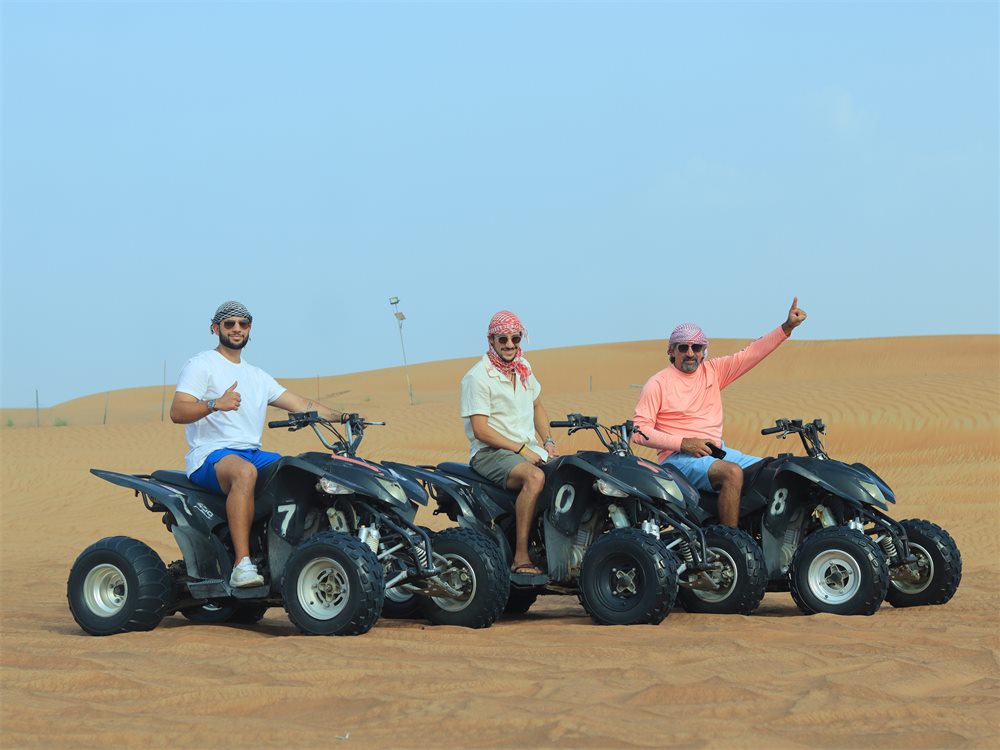
Watch for any rule that limits who can drive or whether two people can swap seats during the trip. This matters for families and mixed groups. A trip that looks flexible at first can feel restrictive if only one person is allowed behind the wheel.
Pay attention to the briefing as well. A clear briefing should cover hand signals, following distance, what to do if the vehicle slows in soft sand, and how to behave when other vehicles are nearby. Good communication is one of the simplest signs that safety is taken seriously.
Compare the route, not just the vehicle
The word dune buggy often draws attention to the vehicle, but the route shapes the experience just as much. Ask where the drive begins, how open the dunes are, and whether the trip stays within a defined area. A route with wide space and varied terrain usually feels more relaxed than one that moves through crowded sections.
Consider what you want to see along the way. Some trips focus on the dunes alone, while others include a stop where guests can look for desert wildlife or enjoy the view from a high point. If photography matters, ask whether there is time to stop safely away from moving vehicles. A quick pause in the right place can make a bigger difference than a long stop in a busy area.
Be careful with very vague descriptions. Phrases that promise an adventurous ride without saying how long it lasts, where it goes, or how many stops are included make comparison difficult. A useful listing gives enough detail for you to picture the day. If you want to browse a site such as aljazeeratours.com, use the same approach and focus on the clear details rather than the wording alone.
Look closely at safety gear and vehicle condition
Safety should be part of the decision from the start. Check whether helmets, seat belts, and any other required safety gear are provided and whether they fit properly. A helmet that is too loose or too tight can spoil the ride and reduce protection. Glasses or goggles can also help with dust, especially for passengers who are not used to open desert conditions.
Vehicle condition matters too. Before the drive begins, a short visual check can reveal a lot. Look for tyres that appear properly inflated, seats that feel secure, steering that responds normally, and no obvious signs of damage. If something looks wrong, say so before the vehicle leaves the starting point. A responsible operator would rather pause than continue with a problem.
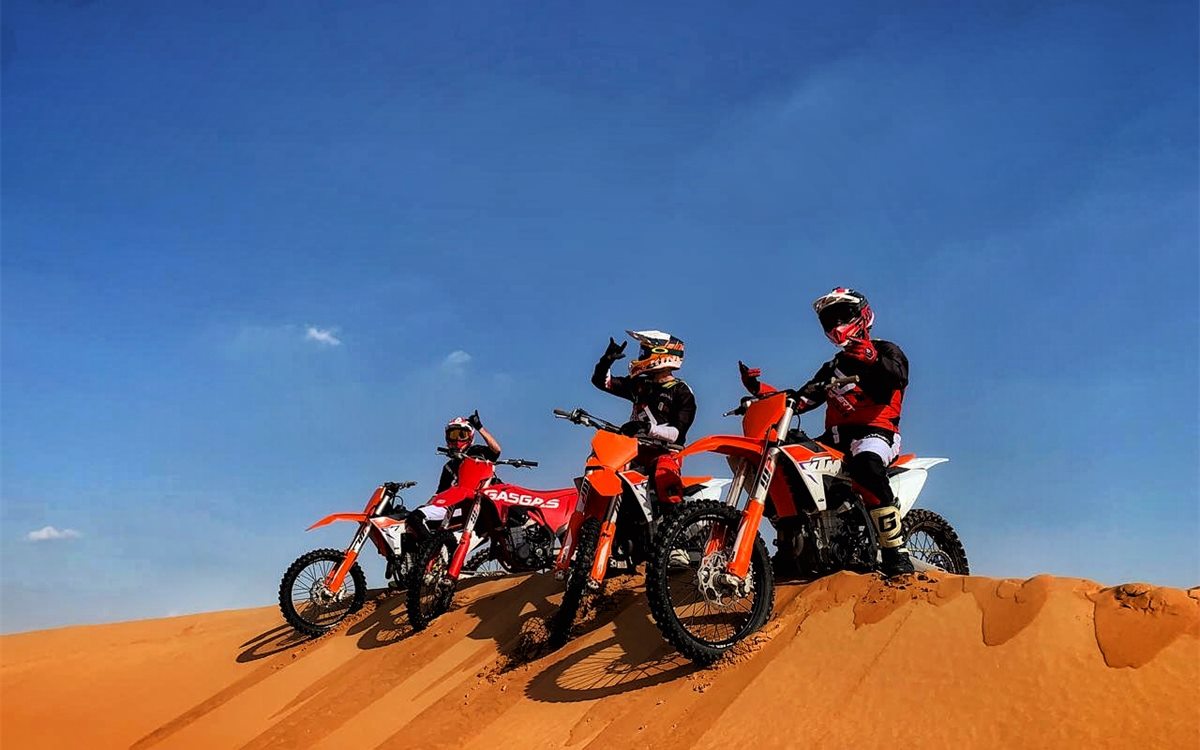
Do not try to repair mechanical issues yourself. Problems with steering, brakes, engines, or electrical parts should be handled by a qualified professional. For a visitor, the practical step is to report the issue clearly and ask for another vehicle or a different arrangement.
Clothing is part of safety as well. Wear closed shoes, breathable layers, and sun protection. Loose scarves, dangling accessories, and unsecured bags can catch or distract during off-road driving. Bring water, especially in warm months, and listen to instructions about staying with the group.
Read the booking terms before you commit
Once a trip suits your pace and route, move on to the practical terms. Check the meeting point, duration, group size, and what is included in the price without relying on assumptions. A low headline price can mean fewer extras, while a higher one may include items that matter to you, such as transport, refreshments, or a longer drive. Since prices change, compare the current details at the time of booking.
Cancellation and rescheduling terms deserve a careful read. Desert plans can be affected by weather, and a flexible policy can save a lot of frustration. Ask what happens if the trip is changed or stopped for safety reasons. A clear answer is better than a vague promise.
Also check whether the trip runs with a small group or a larger convoy. A smaller group can feel more personal and less rushed. A larger group may have a lively mood but can mean more waiting and less space on the dunes. Neither is wrong, yet the difference is worth knowing before you pay.
Ask focused questions before booking
A few direct questions can sort out most doubts. They also show whether the operator is comfortable giving clear answers. Keep them short and practical:
- How long is the drive, and how much of that time is spent actually driving?
- Can all drivers take part, or are there restrictions?
- What safety gear is provided, and are sizes available for everyone?
- What happens if weather affects the route or timing?
- Are photos, refreshments, or transport included?
Listen for specifics. Vague answers may still be harmless, but they make it harder to judge value and comfort. Clear answers let you compare options on equal terms.
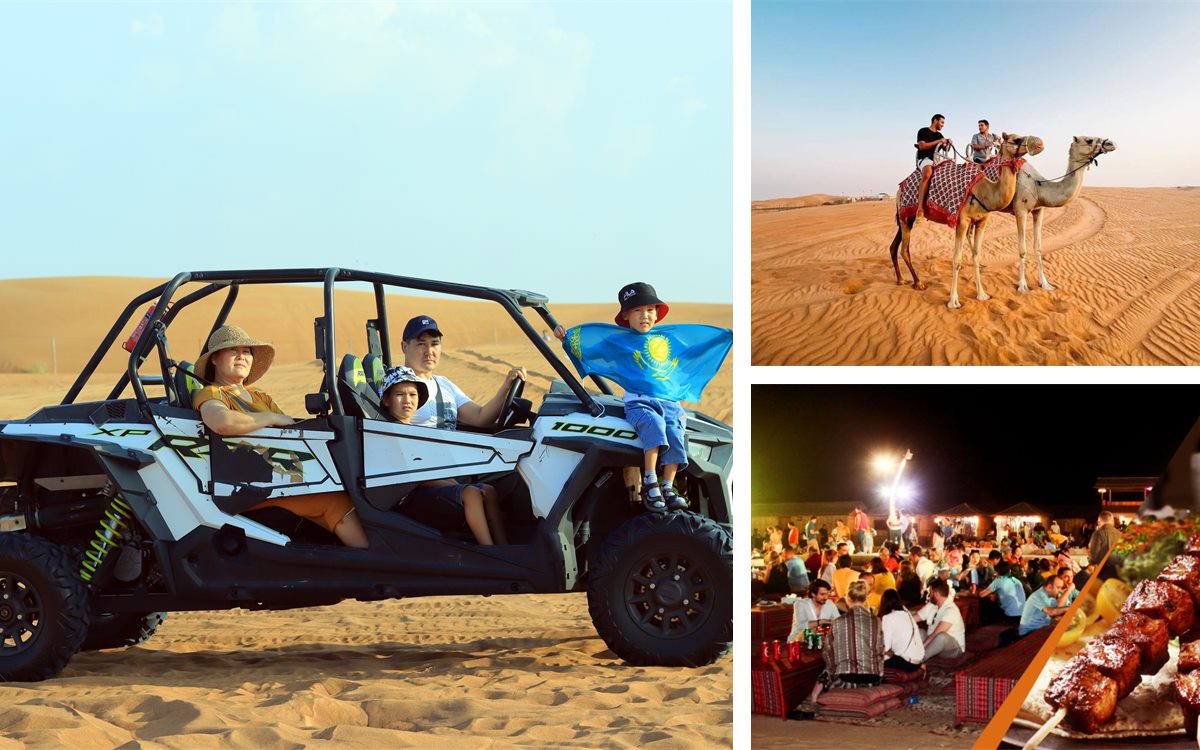
Match the choice to your group
The final decision should feel simple: choose the trip that fits the slowest, least confident, or most safety-conscious member of the group. A safari is more enjoyable when nobody feels pushed beyond their comfort zone. That applies to speed, route difficulty, noise, heat, and time away from the starting point.
For a family outing, pick a guided tour with structure, clear stops, and a calm briefing. For a group of friends who enjoy vehicles and open terrain, compare routes and driving time more closely. For a first desert experience, avoid making the trip too ambitious. The dunes can be handled best with patience, steady driving, and respect for the environment.
When the basic points line up, the choice usually becomes clear. Check the pace, confirm the driving rules, study the route, look at safety gear, and read the booking terms. That approach keeps the focus on the experience itself and helps you select a dune buggy safari dubai that suits the people going, not just the wording of an advert.